

- Gate valve
-
- BS5163 rising stem soft seal gate valveDN1000 Extension stem double flange soft seal gate valveWEIZIDOMDIN F4 resilient seated gate valveDN450-1200 Resilient Seated Gate ValveDIN F5 resilient seated gate valveSocket connection soft seal gate valveWEIZIDOMUnderground cap soft seal gate valveHard seal gate valveAPI slab Gate ValveStainless steel flange gate valveWafer knife gate valvePneumatic gate valveSoft seal gate valveExtension stem gate valveUL/FM fire protection groove ends gate valveRising stem forged steel gate valvecarbon steel gate valveStainless steel threaded gate valveDIN soft seal gate valveANSI soft sealing gate valve 200PSICast iron gate valveBS resilient seated gate valve
- Butterfly valve
-
- DN900 pneumatic triple eccentric hard seal butterfly valveD643H Triple Eccentric Butterfly ValveD343H Hard seal butterfly valveMulti standard EPDM seated butterfly valveSingle flange butterfly valveDN2000 Double eccentric butterfly valveFlange butterfly valveLug butterfly valveWafer butterfly valve with handleWorm gear operated butterfly valveWafer lined fluorine butterfly valveStainless steel wafer butterfly valveStainless steel flanged butterfly valveThree eccentric flange butterfly valvePneumatic flanged butterfly valvePneumatic wafer butterfly valveTriple eccentric butterfly valve wafer typeWafer butterfly valve ULC approvedInflatable seat butterfly valveHigh performance butterfly valveGrooved end butterfly valveElectric soft seal butterfly valveFlange fluorine lined butterfly valveHandle aluminum butterfly valveWorm Gear Aluminum Butterfly ValveFull PTFE lined butterfly valve wafer typeOne stem no-pin wafer butterfly valveMulti standard aluminum stem butterfly valveStainless Steel wafer Butterfly ValveAluminium handle operated lug butterfly valveLever Operated Flange Butterfly ValveButterfly valve stemButterfly valve discButterfly valve seat
- Ball valve
-
- DN1400 top-mounted eccentric semi-ball valveFlanged three-way ball valveFully welded ball valveNatural gas ball valveHigh platform flange ball valve1 PC ball valveFixed ball valvePTFE seat flanged ball valveMetal seat ball valveAPI 6D ball valve3 Piece ball valveFull Bore 3 way ball valve L-Port3 Way T-Port ball valve2PC Ball valve female thread stainless steel
- Globe Valve
-
- API Carbon Steel Globe ValveBellows Globe ValveStainless steel flange globe valveStainless steel thread S type globe valveStainless steel thread B type globe valveCast Steel Globe ValvePiston Globe ValveWCB Carbon Steel Globe Check Valveelectric motorized control stainless steel SS316 globe valveBrass Globe ValveCryogenic Globe valveHT200 Globe ValveThreaded Stainless Steel Globe ValveGG25 Globe ValveANSI API Cast Steel And Stainless Steel Globe valve
- Check valve
-
- Rubber seal check valveDN800 Slow closing check valveDN800 Rubber Disc Check ValveButterfly Buffering Check Valvecheck valve with counter weightSilent Check ValveWCB Swing check valveSwing Check ValveSingle Chip Check Valve H74WStainless Steel Wafer Check ValveSwing Start Check ValveFoot check valveAPI Swing Check ValveDIN Flange check valveSingle plate check valveLifting Check ValveBottom ValveHammer Diminish Noises Check ValveWafer Check ValveWafer dual plate check valve
- Control valve
-
- Static Balancing ValveCage Guided Sleeve Globe Control ValveDN1000 Piston Flow Regulating ValveDN1600 Electric Actuator Flow Regulating ValvePneumatic Flanged Butterfly ValvePneumatic Wafer Butterfly ValveAngle Seat ValvePneumatic gate valveElectric three-way control valveElectric sleeve control valve
- Water Meter
-
- Vertical Type Water MetersStainless steel threaded water meterPiston water meterPlastic water meterMore flow rotor dry water meterspiral vane flange water meterCI wotlman water meter with pulse outputLXCLG(R) Vertical removable element woltman cold (hot) water meterSingle flow rotor dry water meterPrepaid Token Water MeterElectromagnetic flowmeterRotary Piston Liquid Sealed Water MeterRotary Piston Liquid Sealed Water Meter
- Air valve
-
- Double ball exhaust valveDoubleair Air Valve SaudiDoubleair Air Valve Southeast AsiaDoubleair Air Valve South AmericaDouble Air ValveThreaded Air ValveSingle Air ValveTriple Functions Air ValveAutomatic Air Release ValveAutomatic release valveAutomatic exhaust valveComposite Exhaust Air ValveBrass exhaust valveDouble Ball Air Valve
- Pipe Repair & Coupling
-
- Flexible Multi-Function Pipe Coupling ZFJ-SSS Semi-Circle Pipe Repair Clamp SJW-HDuctile Iron Band Repair ClampStainless Steel Band Repair ClampDouble-Section Pipe Repair CouplingFolding Type Pipe RepairSingle-Section Multi-Function Pipe Coupling MF-SGear-Ring Type Multi-Function Pipe Coupling GR-SZBW Damping Corrugated Hose
- Dismantling Joint
-
- VSSJAFC(CC2F) Detachable Flange Transmission JointVSSJA-2(B2F) Double Flange Limited Expansion JointVSSJA-1(BF) Single Flange Limited Expansion JointVSSJA(AF) Flange Loose Expansion JointJGD-B Threaded Rubber JointZBW Damping Corrugated HoseKXT-S Flexible Dual-Spherical Rubber JointKXT Rubber Soft JointFlange Adaptor
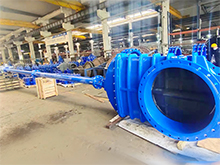
Is your ball valve leaking internally or externally?
The Critical Role of Ball Valves in Piping Systems
Valves are the "heart valves" of piping systems—essential components that ensure fluid media (liquids, gases, powders) flow in the right direction, at the right time, and at the correct flow rate and pressure. Among the most versatile and widely used valve types is the ball valve, favored for its quick quarter-turn operation, excellent shut-off capability, and durability.
Ball valves perform multiple critical functions—shutting off and isolating, regulating flow (to a limited extent), and providing reliable service in high-pressure and high-temperature applications. They serve as the cornerstone for stable, safe, and efficient production processes across industries from oil and gas and chemical processing to water treatment, power generation, and food and beverage.
However, under long-term and complex operating conditions, ball valves inevitably develop problems. Even a minor fault can trigger serious consequences:
Unexpected production interruptions causing direct economic losses
Major safety incidents threatening personnel safety
Energy waste and degraded product quality
Loss of system isolation leading to dangerous cross-contamination
Mastering scientific diagnostic methods and effective corrective measures holds significant practical importance for equipment managers and front-line operators.
This comprehensive guide focuses on the most common ball valve problems—internal leakage, external leakage, and high operating torque—providing in-depth analysis of root causes and practical solutions to keep your systems running reliably.
What This Guide Covers
Three most common ball valve failure modes with detailed root cause analysis
Practical, step-by-step solutions for internal leakage, external leakage, and high operating torque
Preventive maintenance strategies to extend service life
Lubrication and sealant injection best practices to prevent premature failure
Installation and protection best practices for long-term reliability
Common Ball Valve Problems: Internal Leakage
Phenomenon Description
After the valve is closed, media continues to leak from one side of the ball to the other, compromising the system's isolation capability. This is one of the most critical failure modes for ball valves.
Diagnostic Methods:
|
Method |
What to Observe |
|
Pressure Gauge Monitoring |
Look for pressure rise downstream of a closed valve |
|
Temperature Measurement |
A temperature change downstream indicates flow past the valve |
|
Listening |
Listen for the sound of flowing media through a supposedly closed valve |
|
Visual Inspection (Flanged Joints) |
Check for wet spots or discoloration at the body-bonnet joint |
Root Cause Analysis
01. Sealing Surface Damage: Over time, the sealing surfaces between the ball and seats become worn, scratched, or corroded due to constant impact, abrasive particles, or chemical attack. This is the primary cause of internal leakage.
02. Debris Obstruction: Weld slag, rust scales, and other foreign materials become trapped between the sealing surfaces, preventing a tight shut-off. The ball's rotation can also drag debris across the seat, scoring the sealing surface.
03. Seat Elasticity Loss (Seat Relaxation): The seat material (typically PTFE or reinforced PTFE) can lose its elasticity over time—especially under high-temperature cycling, high-pressure service, or repeated cycling—resulting in insufficient sealing force against the ball.
04. Ball Surface Damage: The polished ball surface may be scratched, pitted, or corroded, providing a leak path past the seat.
|
Step |
Action |
Details |
|
1 |
Disassemble, Inspect & Clean |
Depressurize the line, disassemble the valve, and thoroughly clean the sealing surfaces, ball, and internal cavity to remove debris and deposits. |
|
2 |
Lapping & Precision Repair |
Minor sealing surface damage on metal-seated ball valves can be repaired by precision lapping. For PTFE seats, minor scratches may be acceptable; deeper damage requires replacement. |
|
3 |
Component Replacement |
If seats or ball are severely damaged, replace with parts matching original specifications. For high-cycle or high-temperature applications, consider upgrading to reinforced PTFE or metal-seated designs. |
|
4 |
Material Upgrade |
For abrasive or erosive services, consider upgrading to a metal-seated ball valve with hard coatings (e.g., tungsten carbide, chromium carbide) for longer service life. |
Corrective Solutions
Critical Advisory: Lubrication/Sealant Injection is Essential
For ball valves equipped with injection fittings:
Regular injection of industrial-grade lubricating sealant—typically quarterly—offers three critical benefits:
Lubrication: Reduces mechanical wear on the ball and stem surfaces.
Sealing Enhancement: Forms a protective film on the sealing surfaces, blocking media penetration and extending seat life.
Debris Purge: Uses fluid pressure to "push out" fine particles trapped between sealing surfaces—preventing accumulation and scoring.
Practical Tip: Always use the lubricant/sealant specified by the valve manufacturer. Incorrect sealant can react with the process media, damage the PTFE seats, or harden and prevent proper valve operation.
Common Ball Valve Problems: External Leakage
Phenomenon Description
Media escapes through non-sealing channels—typically from the stem packing gland or through body-bonnet flange connections—causing waste, environmental pollution, and potential safety hazards.
A. Stem Packing Leakage:
The packing material (typically PTFE or graphite) ages, hardens, or wears out due to thermal cycling, chemical attack, or stem surface wear.
The packing gland bolts may have loosened over time—this is common in applications with thermal cycling where bolt relaxation occurs.
The stem surface itself may be worn or scratched, creating a path for leakage.
B. Body-Bonnet Joint Leakage:
Flange bolts are unevenly torqued or have loosened due to thermal expansion/contraction cycles.
The gasket is aged, deteriorated, or crushed.
The flange faces are damaged or corroded.
Corrective Solutions
|
Problem Area |
Corrective Action |
|
Packing Leakage |
Step 1: Evenly tighten the packing gland bolts to the manufacturer's specified torque. Step 2: If tightening does not resolve leakage, replace the packing during the next scheduled shutdown. Use high-quality PTFE or graphite packing rings—ensure they are compatible with the service media and temperature. |
|
Body-Bonnet Joint Leakage |
Step 1: Evenly retighten all connection bolts in a star/cross pattern to ensure uniform gasket compression and account for thermal relaxation. Step 2: If leakage persists, replace the gasket with a compatible material during shutdown. Inspect flange faces for damage or corrosion. |
|
Stem Corrosion/Wear |
Inspect the stem surface. Minor scratches can be polished smooth; severe wear or corrosion requires replacement of the stem and packing. Consider using a stem with a hard coating (e.g., electrodes nickel plating) for improved wear resistance. |
Practical Recommendation: Periodic Maintenance & Inspection
For stem packing: Periodically check packing tightness and re-torque if necessary. For valves with injection fittings, inject sealant to revitalize the packing and maintain a tight seal.
For body-bonnet joints: After the first few thermal cycles (or 3-6 months of operation), re-torque all flange bolts to manufacturer specifications to compensate for bolt relaxation.
Common Ball Valve Problems: High Operating Torque
Phenomenon Description
Manual operation of the valve is noticeably more difficult—the handle requires significantly more force to turn. Alternatively, during electric or pneumatic actuation, the system draws higher-than-normal current or consumes excessive air, indicating torque levels significantly above standard values.
Root Cause Analysis
01. Debris Intrusion: Weld slag, dust, process scale, or media crystallization enters the sealing interface between the ball and seats, significantly increasing friction resistance. This is particularly common in dirty or crystallizing services.
02. Poor Lubrication: The stem bearings, packing area, or ball-seat contact surfaces have not been lubricated for an extended period, resulting in dry metal-to-metal friction and increased operating torque.
03. Seat Jamming: The seat sealing surface undergoes plastic deformation, excessive wear, or local damage, causing mechanical interference with the ball during rotation.
04. Stem Bending: The stem becomes bent due to improper installation, external impact, or water hammer impact on the valve in the closed position. A bent stem cannot rotate concentrically, greatly increasing torque.
05. Thermal Expansion: In high-temperature service, the thermal expansion of internal components (ball, stem, seats) can reduce clearances and increase operating torque.
|
Step |
Action |
Details |
|
1 |
Flush & Lubricate |
First (and easiest) attempt: Using the valve's injection fitting, inject a specialized cleaning solution and lubricating sealant to flush the sealing interface and lubricate moving parts. Observe if the operating torque returns to normal. |
|
2 |
Disassemble & Inspect |
If flushing does not resolve the problem, depressurize the line, disassemble the valve, and thoroughly inspect the ball, seats, stem, and bearings. |
|
3 |
Component Repair/Replacement |
Clean all components. If seats, ball, or stem are damaged, repair or replace them with parts meeting original specifications. |
|
4 |
Bearing Inspection |
If the valve has separate bearings, inspect them for wear or damage and replace as necessary. |
|
5 |
Stem Straightening/Replacement |
If the stem is bent, either straighten it (if minor) or replace it. |
Corrective Solutions
Practical Suggestion: Establish a Standardized Valve Lubrication Maintenance Plan
To prevent high operating torque due to lubrication failure or debris accumulation:
Define a Lubrication Schedule: Develop a standardized "Valve Lubrication/Sealant Injection Plan" based on:
Media cleanliness — dirty services require more frequent lubrication.
Cycle frequency — valves operated daily require more frequent lubrication.
Manufacturer recommendations.
Typical Schedule: For most industrial ball valves, inject lubricating sealant every 3 to 6 months.
Record Keeping: Maintain a log of lubricant type, quantity injected, and date for each valve.
Preventive maintenance is always more cost-effective than emergency repairs.
Preventive Maintenance Recommendations
A well-structured preventive maintenance program is the most effective way to extend ball valve service life and prevent unexpected failures.
Establish a Comprehensive Inspection System
|
Inspection Area |
What to Check |
Action |
|
External Condition |
Look for signs of corrosion, physical damage, or leaks at flanges, packing gland, and body joints |
Document and repair immediately if found |
|
Leakage |
Check for visible leakage at packing gland, flange joints, and body seals |
Investigate root cause and take corrective action |
|
Operation Smoothness |
Manually operate the valve through a full open-close cycle; check for smooth, uniform motion |
Investigate any sticking, resistance, or unusual sounds |
|
Stem Condition |
Inspect exposed stem surface for rust, pitting, or wear |
Clean and lubricate; replace if severely corroded |
|
Position Indication |
Verify that the valve position indicator matches actual stem/ball position |
Calibrate or repair if necessary |
|
Lubrication Status |
Check injection fittings and lubrication records |
Schedule lubrication if overdue |
Develop a Scientific Maintenance Schedule
Based on valve type, operating conditions, and manufacturer recommendations:
Regular Lubrication: Inject lubricating sealant at specified intervals (typically every 3-6 months).
Periodic Disassembly Inspection: For critical valves, schedule internal inspections to check ball, seat, and stem condition.
Verify Operating Parameters: Regularly check and record operating torque, stroke time, and leakage rates to identify trends.
Strengthen Spare Parts Management
|
Spare Part |
Recommended Stock Quantity |
|
Seat sets (complete) |
2-3 sets per valve size |
|
Ball (complete assembly) |
1-2 sets per valve size |
|
Stem packing sets |
3-5 sets per valve size |
|
Body gaskets |
2-3 sets per valve size |
|
Stem bearings / bushings |
2 sets per valve size |
|
Stem (for critical valves) |
1 set per valve size |
Maintain a strategic inventory of critical consumable parts to minimize downtime during emergencies:
Enhance Personnel Training
Invest in comprehensive training for equipment managers and operators covering:
Ball Valve Operating Principles: How ball valves function and their role in the system.
Correct Operation Procedures: Proper opening/closing techniques; avoiding excessive force; never forcing a stuck valve.
Lubrication Procedures: Correct use of injection fittings—including cleaning the fitting before injection, using the correct lubricant type and quantity, and disposing of excess sealant properly.
Fault Recognition: How to identify early warning signs of trouble.
Emergency Response: What to do in case of a major leak or valve failure.
Well-trained personnel are your first line of defense against unplanned downtime and safety incidents.
Summary: Ball Valve Troubleshooting at a Glance
|
Problem |
Primary Causes |
Solutions |
|
Internal Leakage |
Seal wear, debris obstruction, seat elasticity loss, ball damage |
Clean; lap or replace seats; replace ball; upgrade to metal-seated for severe service |
|
External Leakage |
Packing failure, loose flange bolts, gasket deterioration, stem wear |
Retorque packing; replace packing; retorque bolts; replace gasket; repair/replace stem |
|
High Operating Torque |
Debris intrusion, poor lubrication, seat jamming, stem bending, thermal expansion |
Flush/lubricate via injection fitting; disassemble & clean; repair/replace components |
The Key to Reliable Ball Valve Performance
Ball valves are the workhorses of quick shut-off—but they require proper attention. By understanding the root causes of internal leakage, external leakage, and high operating torque, you can implement effective troubleshooting and preventive maintenance strategies that:
Reduce unplanned downtime through proactive care
Prevent catastrophic failures by identifying issues early
Lower maintenance costs by extending service intervals
Improve process control by maintaining tight shut-off and smooth operation
Enhance system safety by eliminating fugitive emissions and process fluid hazards
Remember:
Regular lubrication is essential — For valves with injection fittings, establish a quarterly lubrication schedule to prevent debris accumulation, reduce wear, and maintain sealing performance.
Never force a sticking valve — Forcing a valve can bend the stem, damage the ball, or break the stem—leading to much more costly repairs.
Select the right valve for the service — For abrasive or high-temperature services, consider metal-seated ball valves or valves with hard coatings.
Install upstream strainers — To protect against debris damage in dirty services.
Regular inspection, proper lubrication, careful actuator calibration, and systematic spare parts management are essential for ensuring decades of reliable service.
For expert assistance in selecting the right ball valve, replacement parts, or developing a comprehensive maintenance program for your specific application, consult your valve supplier or a qualified maintenance professional.
Appendix: Ball Valve Selection Quick Reference Guide
|
Application |
Recommended Ball Valve Type |
Key Selection Factor |
|
Water, Air, Oil (Clean) |
Standard carbon steel or stainless steel ball valve with PTFE seats |
Standard seats adequate |
|
Chemical Processing (Corrosive) |
Stainless steel ball valve with PTFE or PFA seats |
Chemical resistance of seats and body |
|
High Temperature (>200°C) |
Metal-seated ball valve with hard coatings |
High-temperature seat materials |
|
Abrasive Service (Slurry, Scale) |
Full-port ball valve with metal seats and hardened ball |
Erosion-resistant materials and full bore |
|
Cryogenic (< -100°C) |
Extended bonnet ball valve with stainless steel trim |
Low-temperature material suitability |
|
High Cycle / Frequent Operation |
Ball valve with reinforced PTFE seats and hardened stem bearings |
Reduced wear and extended seat life |
Additional Resources: Installation Best Practices to Prevent Failures
Proper installation is the first step toward reliable ball valve performance. Follow these best practices:
|
Best Practice |
Why It Matters |
|
Thorough pipeline flushing before installation |
Removes weld slag, sand, and debris that can damage the ball and seats |
|
Confirm flow direction (if marked) |
Most ball valves are bidirectional, but check for specific designs |
|
Ensure full port for slurry service |
Prevents particle accumulation and plugging |
|
Provide adequate support for heavy valves |
Prevents pipe stress from distorting the valve body |
|
Do not use excessive force |
Over-torquing can damage the stem, ball, or seats—use proper tools and avoid extended levers |
|
For automated valves, verify actuator torque |
Undersized actuators can't close properly; oversized actuators can damage internal components |
|
Install upstream strainer for dirty service |
Prevents debris from entering and damaging the valve |
By combining proper installation, regular maintenance, and prompt troubleshooting, you can maximize the service life and reliability of your ball valves—keeping your piping system running safely and efficiently for decades.
Pre : What is a WCB Pneumatic Knife Gate Valve
Next : Back To List
